Sharifah Najma is a Somali-Yemeni American journalist, writer, researcher, and strategist of BaʿAlawi Hadrami heritage. Through interviews, travel, photography, research, and cultural criticism, Sharifah explores diaspora, community, media, technology, fashion, spirituality, and the lives of underreported and marginalized people—expanding the archive of who gets to be seen, understood, and remembered.
Her work is informed by a family history of movement across the Indian Ocean world. Through her father, Sharifah comes from the BaʿAlawi tradition of Hadramawt, part of a centuries-old Hadrami diaspora connecting the Arabian Peninsula with East Africa, the Horn of Africa, South Asia, and Southeast Asia through migration, scholarship, trade, and religious life. Her broader ancestry stretches across Somalia, Yemen, the Hejaz, Iraq, Iran, India, and Pakistan: places that modern borders divide, but that have been connected for centuries by oceans, ports, pilgrimage, commerce, kinship, and the circulation of knowledge.
Sharifah grew up with another kind of network close at hand. Her father, Sharif Mohamed, was a computer scientist and her first Sufi teacher. His work in information technology during the Y2K era gave her an early view into computers and the emerging digital world at the same time that he introduced her to a spiritual tradition concerned with transmission, lineage, knowledge, and connection. Those two inheritances—the diasporic and the digital—continue to shape the way Sharifah sees the world.
Long before the internet promised a borderless world, the Indian Ocean was already a network. People crossed it carrying textiles, manuscripts, religious traditions, languages, aesthetics, technologies, recipes, music, stories, and memories. Communities were connected culturally, intellectually, commercially, and spiritually. The internet accelerated that old human impulse: to find one another across distance.
Sharifah's journalism has repeatedly returned to what happens inside those networks. She has written about how the internet became a home for displaced Somalis, how surveillance shapes Somali creative life, how Muslim women negotiate privacy and visibility online, how fashion communicates identity, and how Black, Arab, and Muslim communities construct their own archives when dominant media fails to represent them fully.
Her work has appeared in publications worldwide, including T Magazine: New York Times Style Magazine - MENA, GQ Middle East, NBC, InStyle, and Cultured Magazine. She has interviewed artists, writers, actors, musicians, and cultural figures including Solange Knowles, Quinta Brunson, Ramy Youssef, Alisha Boe, Noname, Aminé, Warsan Shire, and Marsai Martin.
Beyond journalism, Sharifah is a strategist specializing in cultural storytelling, brand narrative, and editorial strategy. She has developed narratives for artists at Roc Nation and produced creative, social, and content strategy for projects involving Audible, Sephora, Fenty Beauty, Target, Instagram, CVS Pharmacy, L.L.Bean, Bioré, Clinique, Polo Ralph Lauren, Apple, eBay, Pharrell Williams x Louis Vuitton, Tower 28, and Discover at Kohl's.
She has also consulted on major cultural exhibitions, including Contemporary Muslim Fashions, presented by the de Young Museum and subsequently at institutions including Museum Angewandte Kunst and Cooper Hewitt, Smithsonian Design Museum, and has presented lectures and workshops internationally.
Across these different forms, the central questions remain remarkably consistent: How does culture travel? What survives migration? Who controls the image? How do displaced people find one another? And what happens when old networks of kinship, faith, trade, and memory encounter the technologies of mass media and the internet? For Sharifah, these questions are both intellectual and inherited. Her work moves between the archive and the algorithm, the port and the platform, and the ancestral and the contemporary. Sharifah is interested in tracing the connections between people, images, objects, and ideas across borders and generations.
Sharifah runs a Substack called Bad Taste.



Selected Works
FULL PORTFOLIO AVAILABLE UPON REQUEST
Read Me
PROFILES , INTERVIEWS AND COVERS
American Gurl: home — land - Clash Magazine featuring Kilo Kish and Solange
Finally, Wafia Feels Free - GQ Middle East
Quinta talks Representation and World Domination - Soho House Magazine
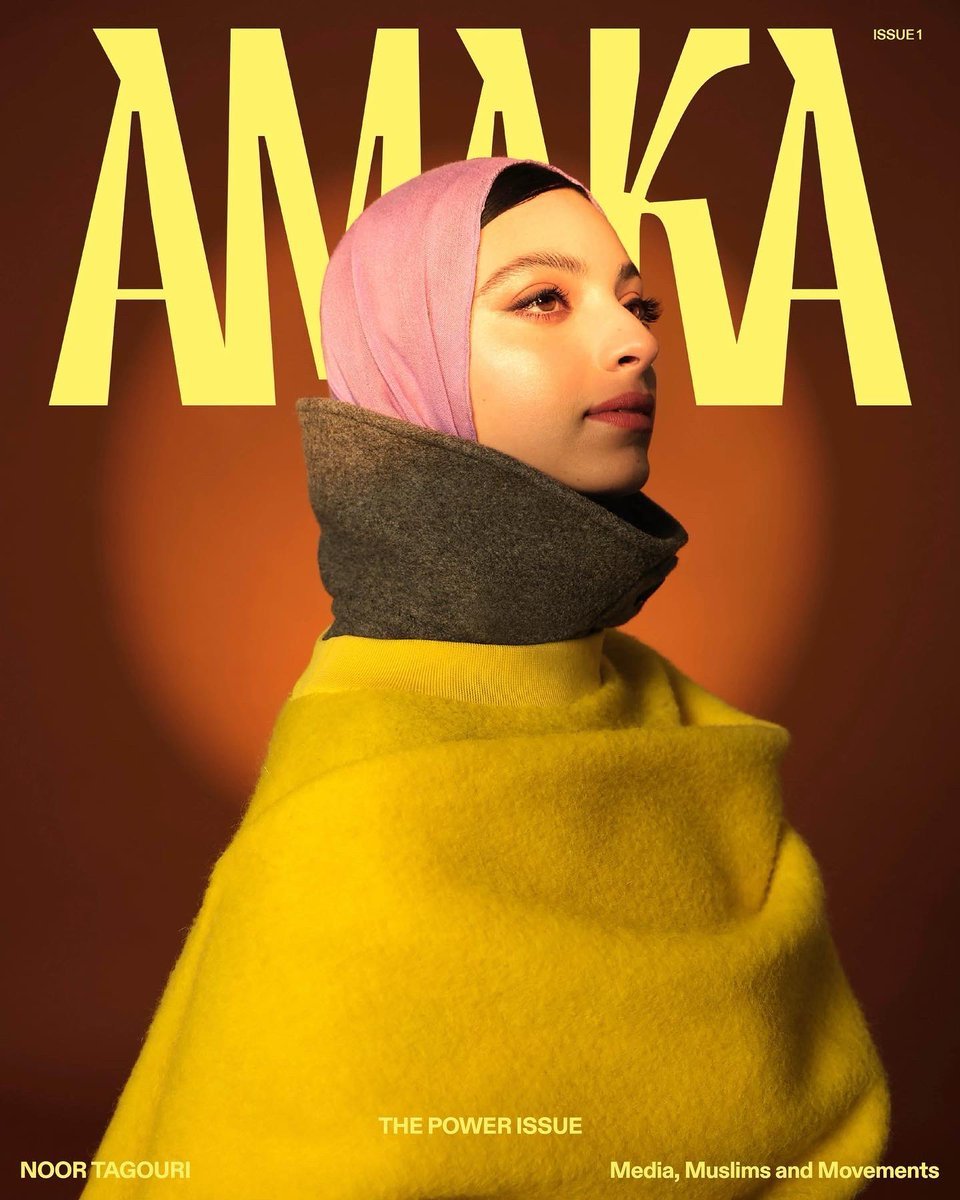
Media Muslims, and Movements Noor Tagouri - AMAKA STUDIO
POET WARSAN SHIRE ON WRITING TO REBEL- NET- A-PORTER
Alisha Boe Embraces her Rising Sign - Cultured Mag
Welcome to Marsai Martin’s universe - MIC
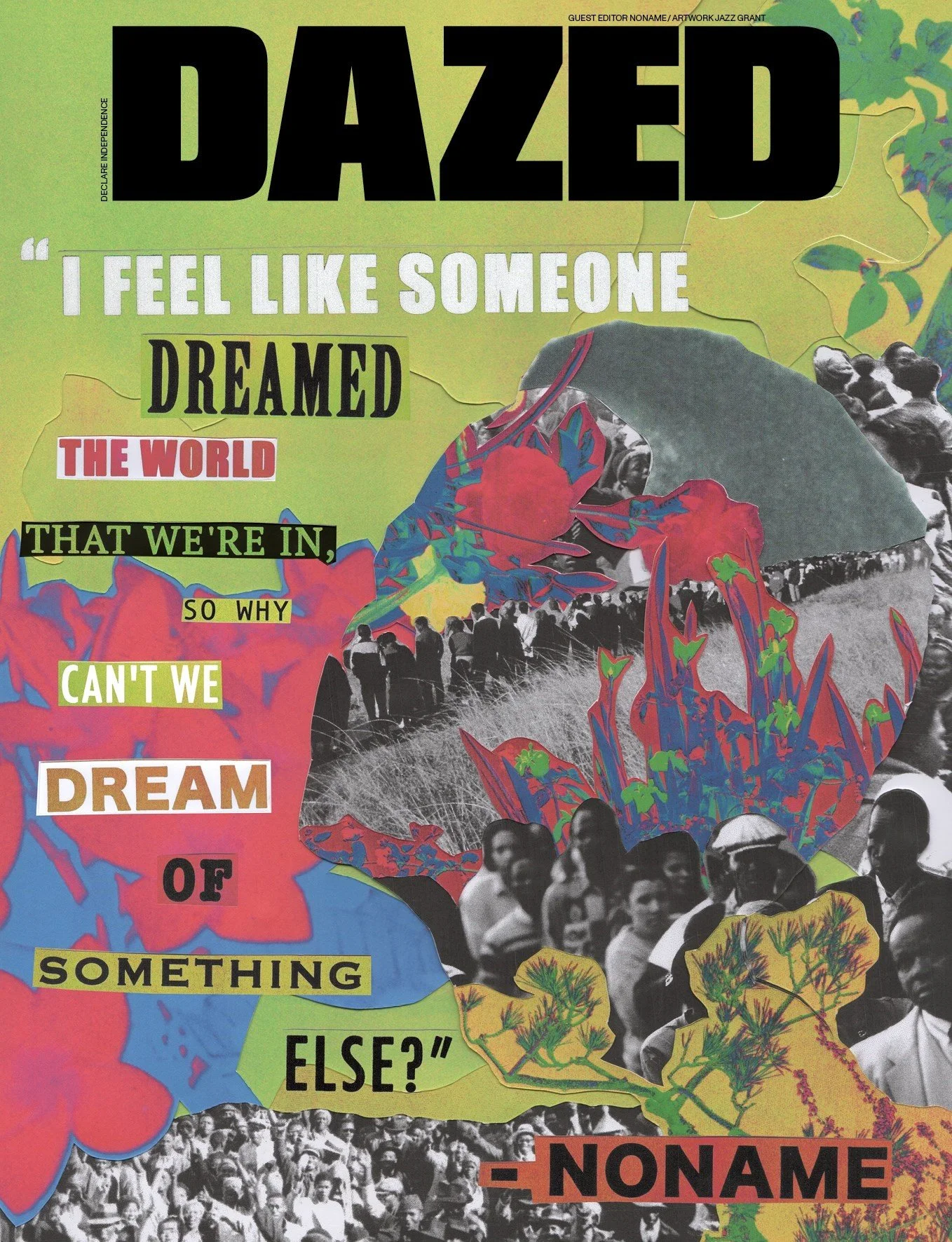
Noname and the fight to abolish prisons - Dazed
Aminé Profile - SoleDXB
Dua Saleh Is Your Angel and Your Devil - Paper Magazine
Vinson Fraley Is in Perpetual Motion - Highsnobiety
“The Real Magic Is In Person:” Noname’s Book Club Is Building Community Across The Country- Okayplayer
5 Photographers On Documenting Protests Through Their Own Lens - Atmos Mag
Cherrie Talks Staying True to Her Somali Roots on Sophomore Album ‘Araweelo’ - Highsnobiety
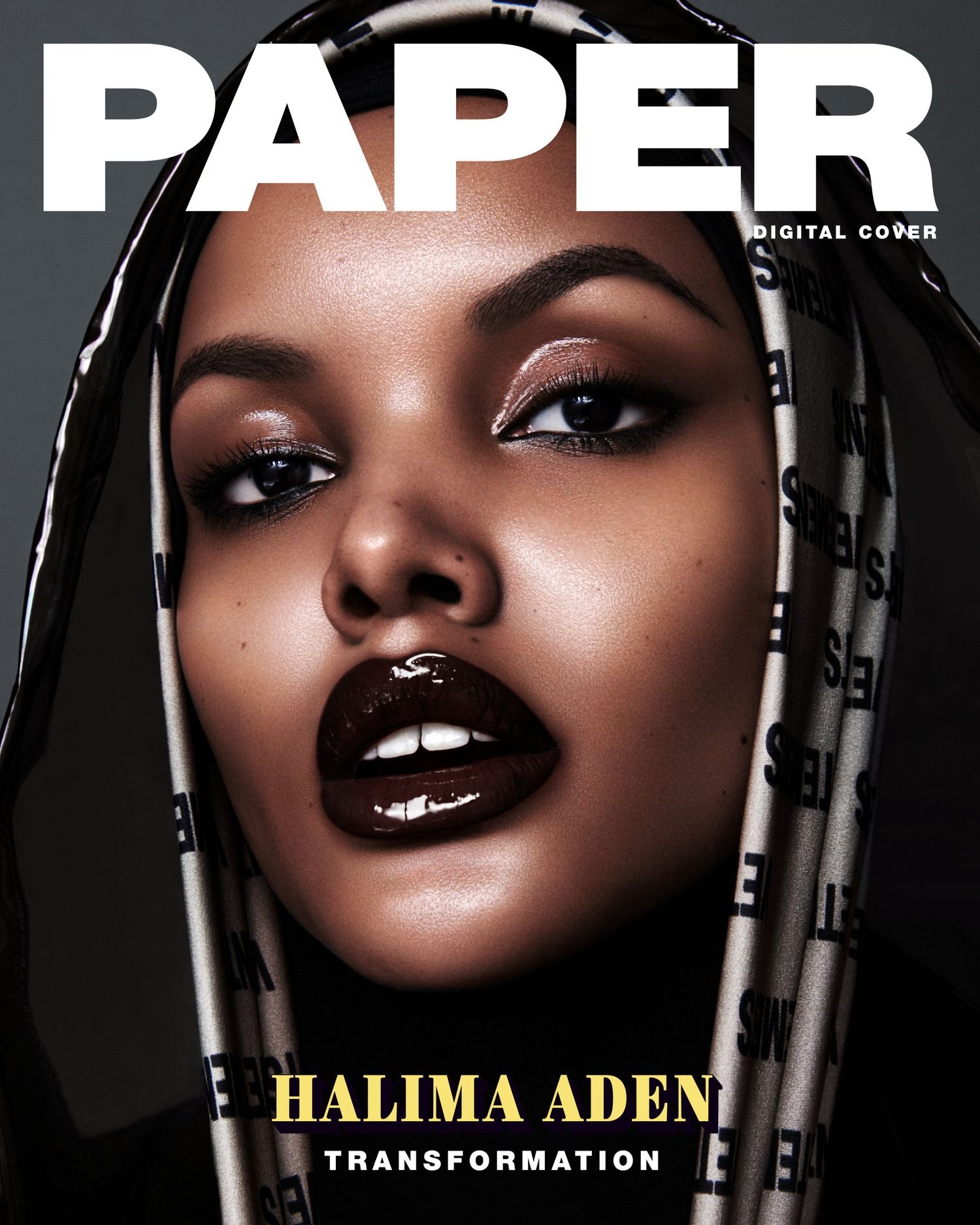
Halima Wants the Next Generation to Dream Big - Paper Magazine
'Jinn' Is a Remarkably Honest Portrait of Black Muslim Girlhood - Broadly
Araweelo Abroad Is the Website Creating a Safe Space for Somali Women - Teen Vogue
CULTURE AND CRITICISM
The Hyper-Visible, Invisible Arabs of Latin America - GQ Middle East
On bell hooks, a Black Woman Who Loved Us - Pop Sugar
5 Things President Biden Should Do For Black Women in His First 100 Days - Instyle
Why Luxury Must Ditch "Aspirational" To Survive- Jing Daily
Kanye West Does Not Have the Skills to Make America “Great” Again - Highsnobiety
How 'I Am Not A Witch' Powerfully Satirizes Oppression Against Women In Zambia - Shadow and Act
XXXTentacion's Alleged Abuse Should Not Be Forgotten - Teen Vogue
Megan Thee Stallion’s ‘Fever’ Is a Sexy, Palpable Joy to Behold - Highsnobiety
Leikeli47’s ‘Acyrlic’ Is a Powerful Dedication to the Transformative Black Woman - Highsnobiety
The hurdles and exploration that shaped Megan Thee Stallion’s Suga - The Fader
The Curious Case of Rapsody’s ‘Eve’ & Hip-Hop’s Contradictory Pedestal for Women - Okayplayer
Writers Reflect on Ms. Lauryn Hill’s ‘The Miseducation of Lauryn Hill’ - Tidal
SPIRITUALITY
What the Niqab Actually Means To Muslim Women - SOLE DXB
Ramadan in a pandemic helped me rethink my relationship with fasting — and God - NBC
An Examination Of The Islamic References In Jay Electronica’s ‘A Written Testimony’ - Okayplayer
BLACK, QUEER, AND MUSLIM: ON FAITH, SELF-CARE, AND IDENTITY - Nylon
An Ode to the Women Who Taught Me About Selflessness and Community - Lenny Letter
INTERNET CULTURE
5 SOMALI CREATIVES ON HOW SURVEILLANCE CULTURE SHAPES THEIR WORK - Nylon
For Women Who Wear Hijab, Finstas Can Be a Space to Let Loose Online - Broadly
How the Internet Became a Home for Displaced Somalis -Vice
FASHION
Michael Love Michael Drops New Video. Luxury, Take Notes - The Popular Times
Popular Luxury: How Telfar Perfected The It Bag - The Popular Times
Nemhasis’ Debut Single Explores Autonomy and Spotlights Industry Tokenism - The Popular Times
JIIJ Imagines a Sustainable, Inclusive Footwear Future - The Popular Times
Did We Really “Get” The Pyer Moss Couture Show? - The Popular Times
Is Gossip Girl 2.0 the Popular Luxury Gen Z Wants? - The Popular Times
Modest Fashion - Equality For Her
Mizna SWANA Takeover - Lover Girl
Writers Pay Tribute to bell hooks - The Cut
Sole DXB - Protest Music
Hanif Abdulraqqib Interview - Reconstructed Mag Vol. 2
Halima Wants the Next Generation to Dream Big - Paper Magazine, Transformation Issue
Uncovering Online - Privacy & Perception Issue of Vice Magazine, created in collaboration with Broadly.
Muhammad Ali helped shape my identity as a Black Muslim Halal If You Hear Me anthology
'The Promise of Patriarchy: Women and the Nation of Islam” (Ula Yvette Taylor) Book Review - Bitch Media Devotion Issue
Press
Mentions, Shoutouts, Quotes:
The Root - The Most Powerful Voices on Black Twitter
FASHION TRUST ARABIA - Because Fashion is Intrinsically Political
Essence - 21 Black Women Who Are Shaking Sh*t Up For The Better
Paper - Black Muslim Women Keep the Energy of #BlackOutEid Alive
Fashion Theory Volume 23, 2019 - Issue 2: The Body: Fashion and Physique- Modest Body Politcs
i-D - 7 young immigrants on their hopes and fears for trump’s america
Nylon - 8 MUSLIM JOURNALISTS YOU SHOULD FOLLOW
Paper Magazine - 10 Fiercely Political Women You Have To Follow On Twitter Right Now
Interviews/Podcasts: